


Wonder why manufactured homes have short interior doors? Here's a lesson for every homeowner
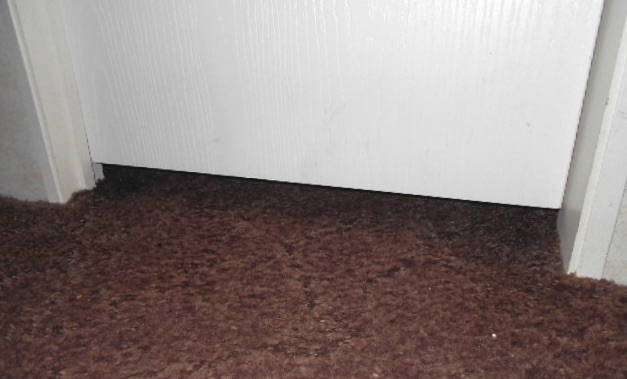
Ever wondered why manufactured homes have short interior doors? It's an important lesson for us all as it relates to HVAC system return air.
In a manufactured home, the factory installed electric furnace has one central return at the unit itself. The unit is most often behind a louvered door. During the 1970s energy crisis, a baffling problem was presented to a young Farmers Home Administration architect by the name of Doug Rye: Find out why the energy use of manufactured homes was skyrocketing while energy use was dropping in other housing sectors due to national calls for energy conservation.
Doug did just that. Turns out occupants were trying to save energy by closing interior doors and shutting the floor vents in individual rooms. They thought that would force more heated air into common areas as families tried to hunker down to stay warm while saving energy. The problem was that they were robbing the return of easy access to warm indoor air. The path of least resistance was to instead pull air from outdoors via all the air leaks in the building envelope: exterior doors, windows, and even exterior wall outlets. In singlewides, the hallway return was most often located near the back door which was rarely equipped with a storm door.
It would be impossible to convey that message to the masses to result in widespread behavioral changes, so Housing and Urban Development (HUD), which governs manufactured housing standards, ordered that future interior doors be shortened to promote better indoor return air flow. Not only did the move save energy, it improved indoor air quality.
Today, many manufactured homes now have air transfer grilles above interior doors to assist air flow when doors are closed. But this isn't just a lesson for those living in manufactured homes. All too often we see inadequate return air in site built homes. In fact, it has been estimated that 80% of all homes have too little return air with it not strategically located.
Key Symptoms of Undersized Return Air
- Whistling or Noisy Vents: Air struggling to move
- Weak Airflow: Poor, inconsistent airflow from supply registers.
- Hot/Cold Spots: Inconsistent temperatures in rooms, especially with doors closed.
- High Energy Bills/Long Run Times: System works harder to move air.
- Frozen Evaporator Coil: Lack of heat transfer, which can cause the coil to freeze in summer.
- High Static Pressure: The blower motor struggles, leading to early failure.
And undersized return air is made worse when filters are not changed regularly or thick, pleated filters are used.
Too often people focus on just the mechanical components of a heating and cooling system while overlooking the air distribution system. That's like going to your doctor when you feel poorly and they check your heart but not your lungs. You would probably change doctors. So when you are having your HVAC system serviced or are in the market to purchase a new one, make sure your home's ventilation system gets the same professional review. And don't hesitate to ask about multiple returns.
If you don't have multiple returns it is especially important that you keep interior doors open, keep all your supply vents open, keep objects away from the return that may impede airflow, and regularly change air filters.